

Cylinder Head Bolts vs. Head Stud Kits for CAT® 3406E & C15 Engines

One engine, two fastening states: the OEM cylinder head bolt kit and the aftermarket cylinder head stud kit — the fastener-level engineering behind the difference, in a five-minute read.
By HENWEIT | September 2026 | ~5 min read | Applies to CAT 3406E (14.6 L) & C15 (15.2 L) diesel engines
Key takeaways
- In the cylinder head bolt kit, the one-piece bolt is stretched and twisted by the wrench at the same time: its shank carries tension + torsional shear, so part of its strength budget never reaches the gasket as clamp load.
- The cylinder head stud kit loads the stud in essentially pure tension — only the nut rotates — so the same material delivers a higher, more uniform, more heat-stable preload.
- Cylinder head bolt kits (the OEM state) are single-use in service practice; cylinder head stud kits (the aftermarket state) are inspected and reused, overhaul after overhaul.
01 · THE SEALING PROBLEM
One head, two configurations: OEM and aftermarket
A heavy-duty diesel head works in one of the harshest spots on the machine: combustion pressure spiking with every power stroke, temperature swinging from cold start to full load — and a head gasket whose entire job depends on one variable: stable, uniform clamp load around the combustion seal. The 3406E/C15 leaves the factory with the cylinder head bolt kit (OEM state); the cylinder head stud kit is the aftermarket configuration:
- Cylinder head bolt kit — the OEM (factory) state: one-piece 12-point bolts installed through the head into the block; the bolt itself rotates during tightening.
- Cylinder head stud kit — the aftermarket state: parallel-shank studs threaded into the block deck, protruding above the head surface; clamped by 12-point nuts on hardened washers. Only the nut rotates.
Neither state is simply “better”: they are different engineering answers, and the right choice follows from how the engine is loaded and how often it is opened up.
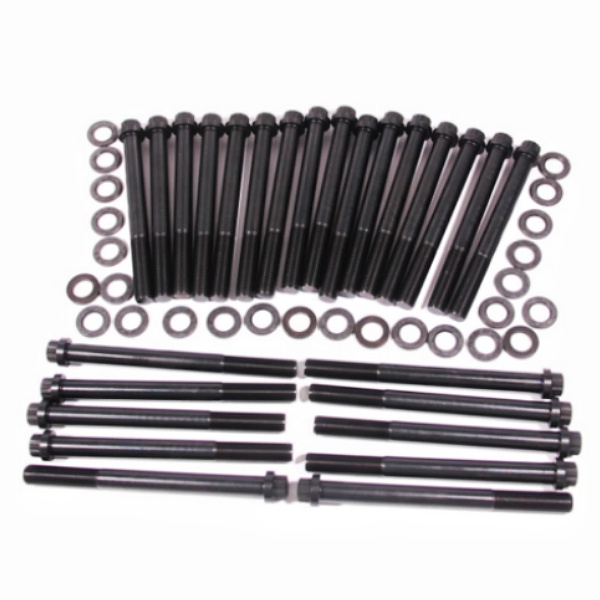
Figure 1 — Cylinder head bolt kit (OEM state)
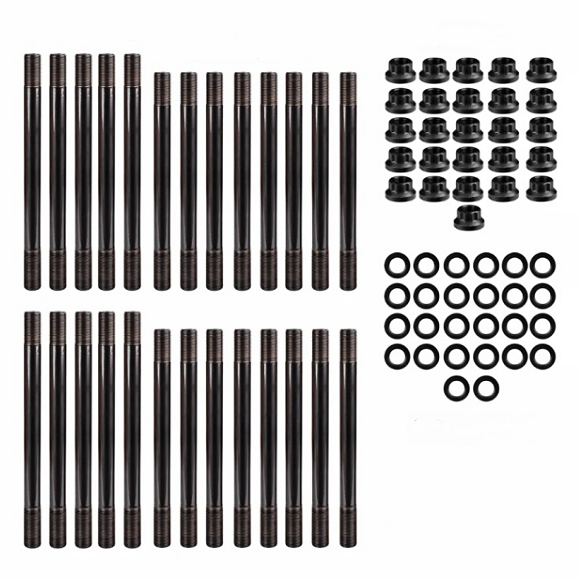
Figure 2 — Cylinder head stud kit (aftermarket state)
02 · TIGHTENING MECHANICS
What the wrench really does to a head bolt
Tighten a cylinder head bolt and the wrench turns the entire fastener, so the shank is stretched and twisted at the same time:
1. Axial stretch — the elastic elongation that becomes clamp load. This is what we want.
2. Torsional twist — thread and bearing friction wind the shank like a torsion bar; a “tax” collected by friction that does nothing for the gasket.
Under combined stress (tension σ + torsion τ) the bolt yields at a noticeably lower axial load than the same steel in pure tension: part of its strength is spent fighting the wrench instead of clamping the head.
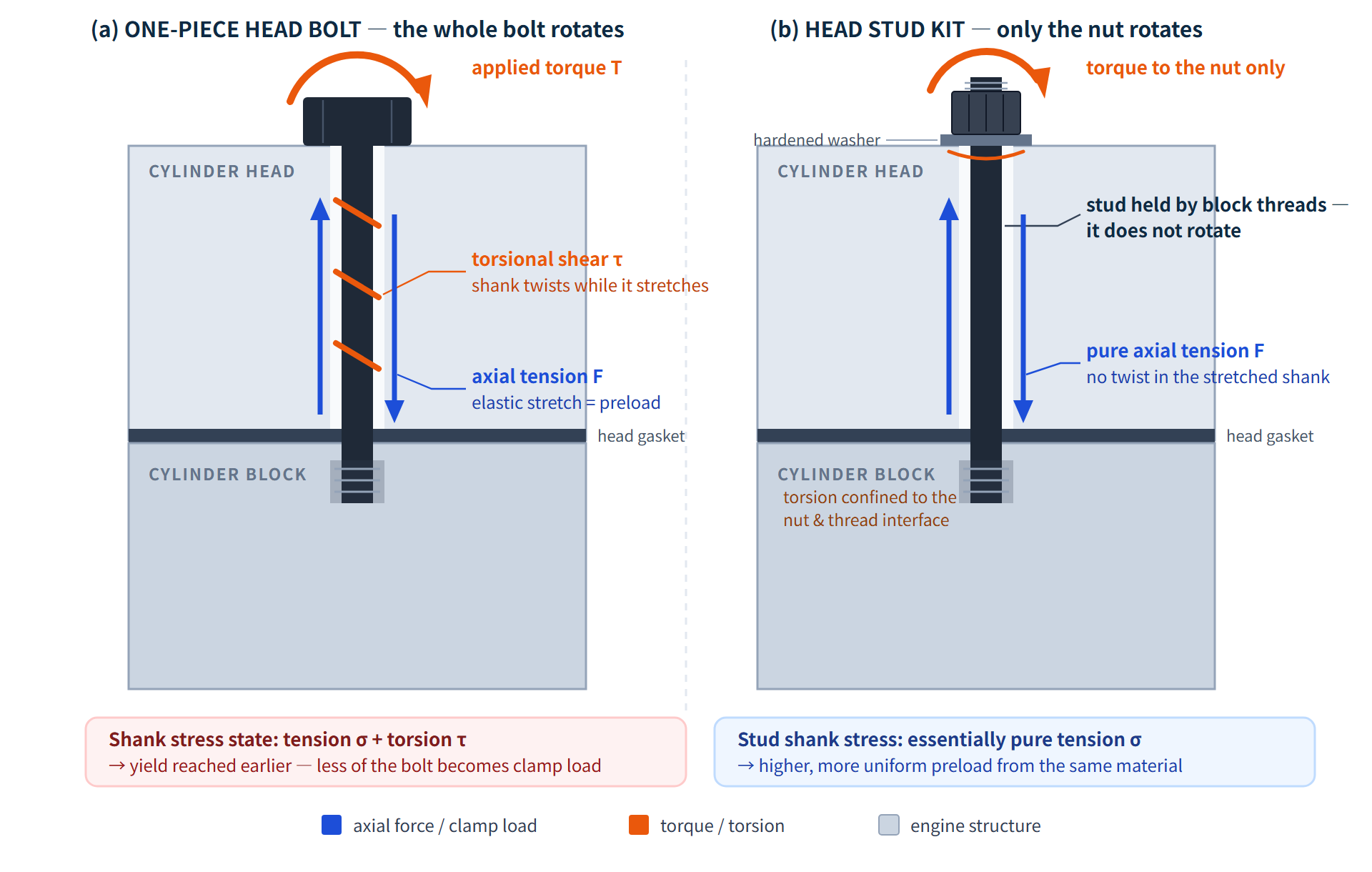
Figure 3 — Where the tightening torque goes.
|
ENGINEERING NOTE Combined stress, in one sentence: under simultaneous tension and torsion, a fastener yields earlier than it would in pure tension (von Mises criterion). Every unit of torque that becomes twist in the shank is clamp load the gasket never receives. |
A stud kit moves where the friction lives. The stud is fixed in the block and never rotates; only the nut turns on a hardened washer. The fine pitch converts torque into stretch more efficiently, and the controlled bearing surface keeps friction small and repeatable — so the long elastic shank works in pure tension and more of the material becomes sustained, uniform preload.
03 · THERMAL CYCLING
Heat cycles, relaxation and the one-time bolt
Tightening is only the first hour of a long life. Heat cycles move the clamped stack — head and block expand at different rates, the gasket creeps — and the fastener answers with preload relaxation.
A bolt tightened near its yield limit has little elastic reserve: each cycle can push part of the shank into plastic elongation. The bolt gets permanently longer and clamp load drops for good — the direct path to the classic blown head gasket.
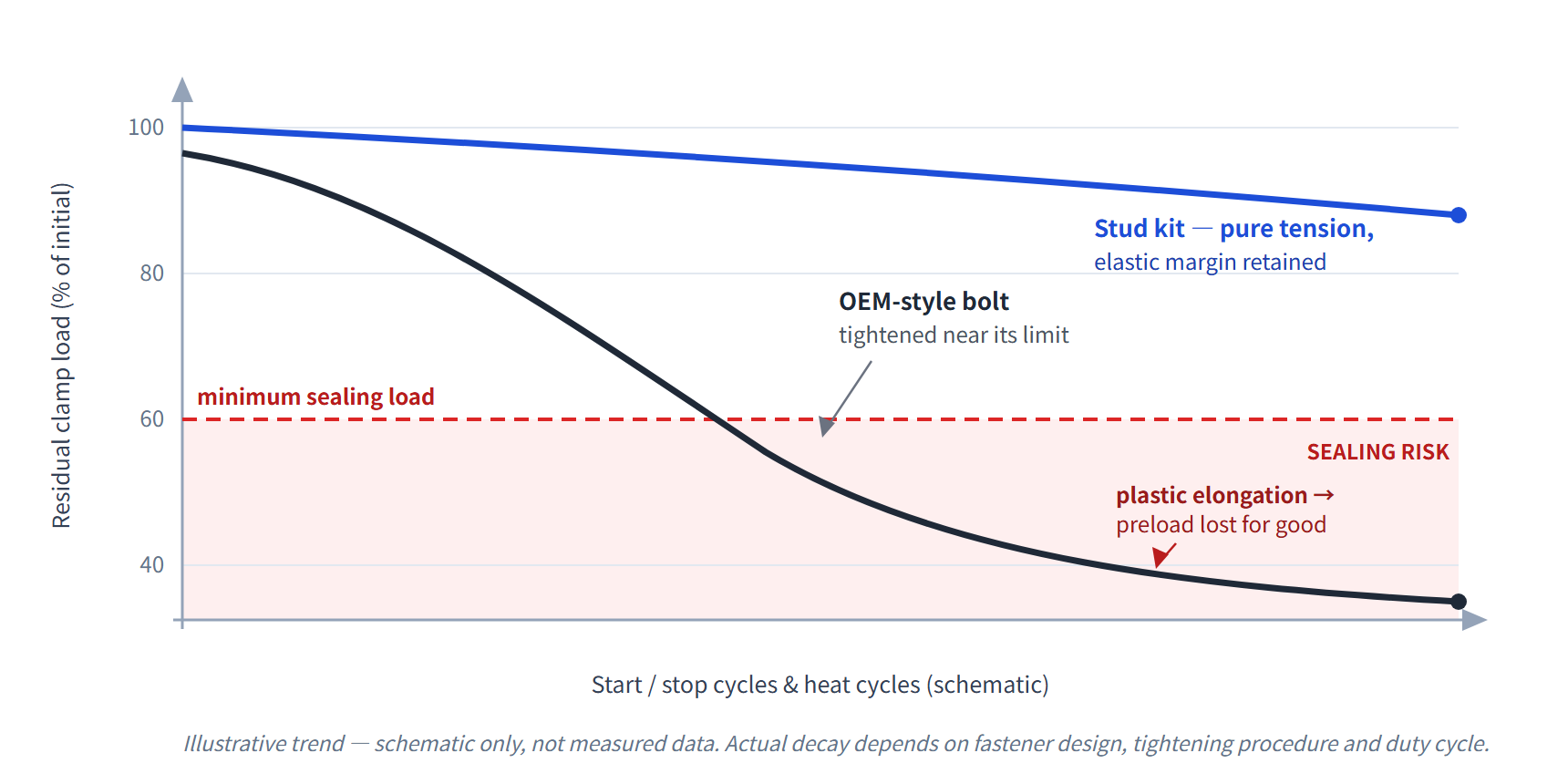
Figure 4 — Preload retention under thermal cycling (illustrative).
A stud in pure tension keeps an elastic margin: its preload decays more slowly and stays predictable, cycle after cycle — no magic material, just geometry and load path.
|
SERVICE NOTE In OEM service practice for the 3406E/C15, the one-piece head bolts are treated as single-use: whenever the head comes off, a complete new bolt set is installed at reassembly. Never re-fit stretched bolts — the elongation is invisible but permanent. |
04 · OVERHAUL ECONOMICS
Why rebuilders specify stud kits
Beyond preload physics, three practical advantages return on every rebuild:
1. Reusable across overhauls
Studs loaded in pure tension survive repeated remove-and-refit cycles: inspected at each rebuild (stretch, cracks, thread condition) and reused if within limits. One kit serves several engine lives, so fastener cost per overhaul keeps falling.
2. Assembly on a heavy head
Studs stand proud of the deck as guide pins: the gasket drops over and stays put, the head lowers straight onto its seat, and there is no risk of cross-threading a bolt in a blind hole.
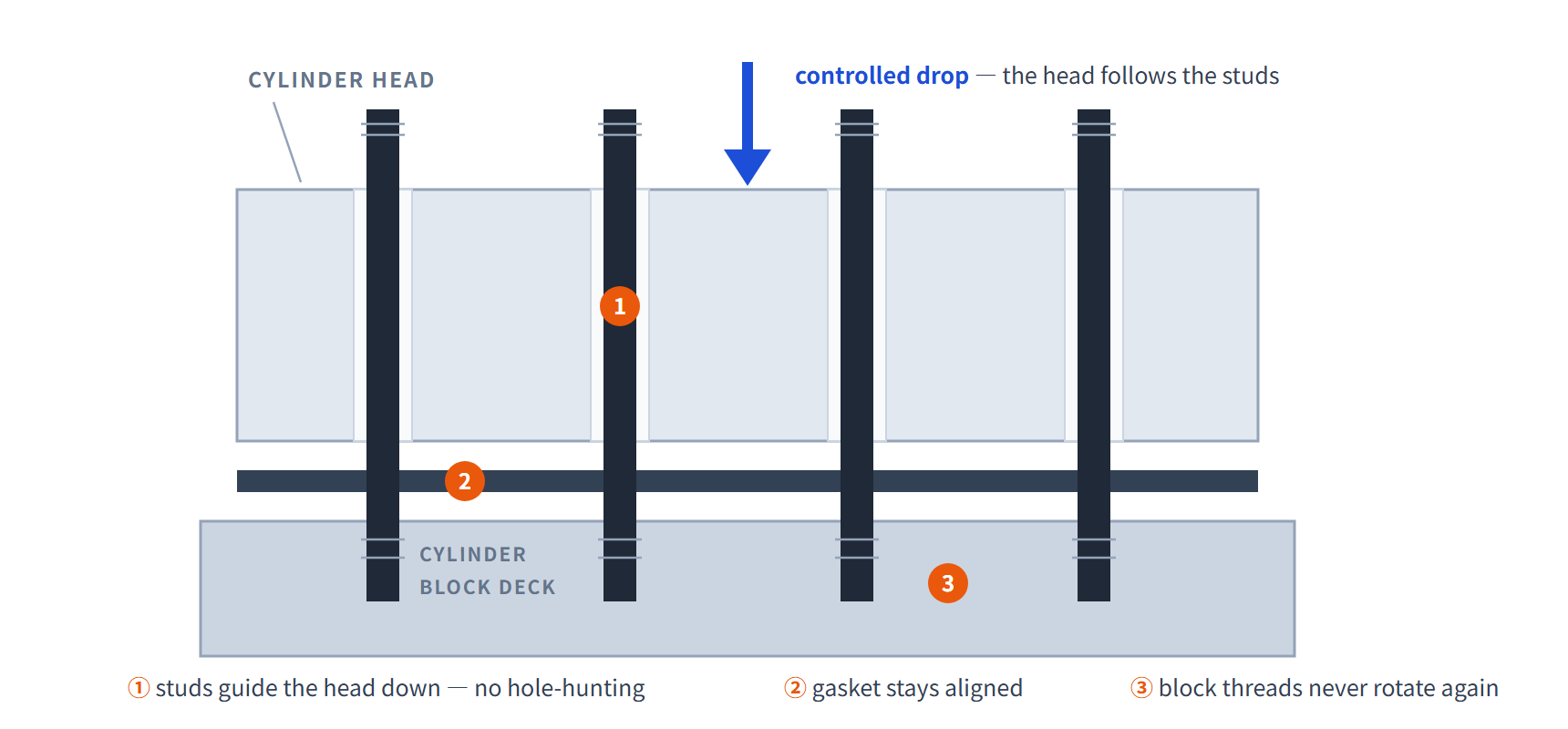
Figure 5 — Studs double as guide pins.
3. Higher, more uniform clamp
Fine-pitch nuts on hardened washers keep bolt-to-bolt scatter low. On uprated or high load-factor engines, that margin becomes longer gasket life and fewer seal-related failures.
|
SERVICE NOTE Honest engineering also says when not to use studs: for a stock engine receiving a one-time reseal, the cylinder head bolt kit remains the simplest, fully correct solution. |
05 · SELECTION GUIDE
Which configuration fits your engine?
|
Aspect |
Cylinder head bolt kit (OEM state) |
Cylinder head stud kit (aftermarket state) |
|
Loading of the tension member |
Tension + torsion while tightening (combined stress) |
Essentially pure tension; only the nut rotates |
|
Achievable preload (same material) |
Moderate — torsion consumes part of the strength budget |
Higher and more uniform — fine pitch, controlled washer bearing |
|
Preload after heat cycles |
Decays faster; near-limit bolts elongate plastically |
More stable; elastic margin retained |
|
Reuse in service |
Single-use practice — replace the complete set at every head-off |
Reusable across overhauls after inspection |
|
Head installation |
Align the head, start every bolt blind |
Studs guide head and gasket; nut-side tightening |
|
Best suited to |
Stock engine in OEM state, one-time reseal, standard duty |
Repeat overhauls, high load factor, performance builds |
06 · KIT REFERENCE
HENWEIT kit reference for 3406E / C15
Both configurations are supplied as complete kits for one engine:
Cylinder head bolt kit (OEM state)
|
Reference No. |
Description |
Qty / kit |
|
124-1854 |
Cylinder head bolt |
10 |
|
124-1855 |
Cylinder head bolt |
16 |
|
5H-1504 |
Hardened washer |
26 |
Quantities as marked in Figure 1; the kit covers the complete head bolt pattern.
Cylinder head stud kit (238-4201 series)
|
Reference No. |
Description |
Function |
|
238-4201-1 |
Long stud |
Main clamp positions |
|
238-4201-2 |
Stud |
Standard positions |
|
238-4201-3 |
12-point nut |
Clamping element (rotates) |
|
238-4201-4 |
Hardened washer |
Controlled bearing surface |
Suffixes identify component groups, as photographed in Figure 2. Studs: high-strength alloy steel, heat treated.
|
NEED HEAD FASTENING KITS FOR 3406E / C15? HENWEIT manufactures and supplies both states — the OEM bolt kit and the aftermarket stud kit — as complete, clearly referenced kits, supported by our own piston, liner, pin, connecting rod and cylinder head plants since 2002. Request the kit list and application data for your next rebuild. |
Trademark notice: Caterpillar®, CAT®, 3406E and C15 are trademarks of Caterpillar Inc. Part numbers are used for application reference only.
Hook-Type Alfin Ring Carrier -- The Piston Design That Won't Let Go


