

4101884 vs 3690868: Two Closure Philosophies on the Same 15L Heavy-Duty Damper — Welding vs Crimping
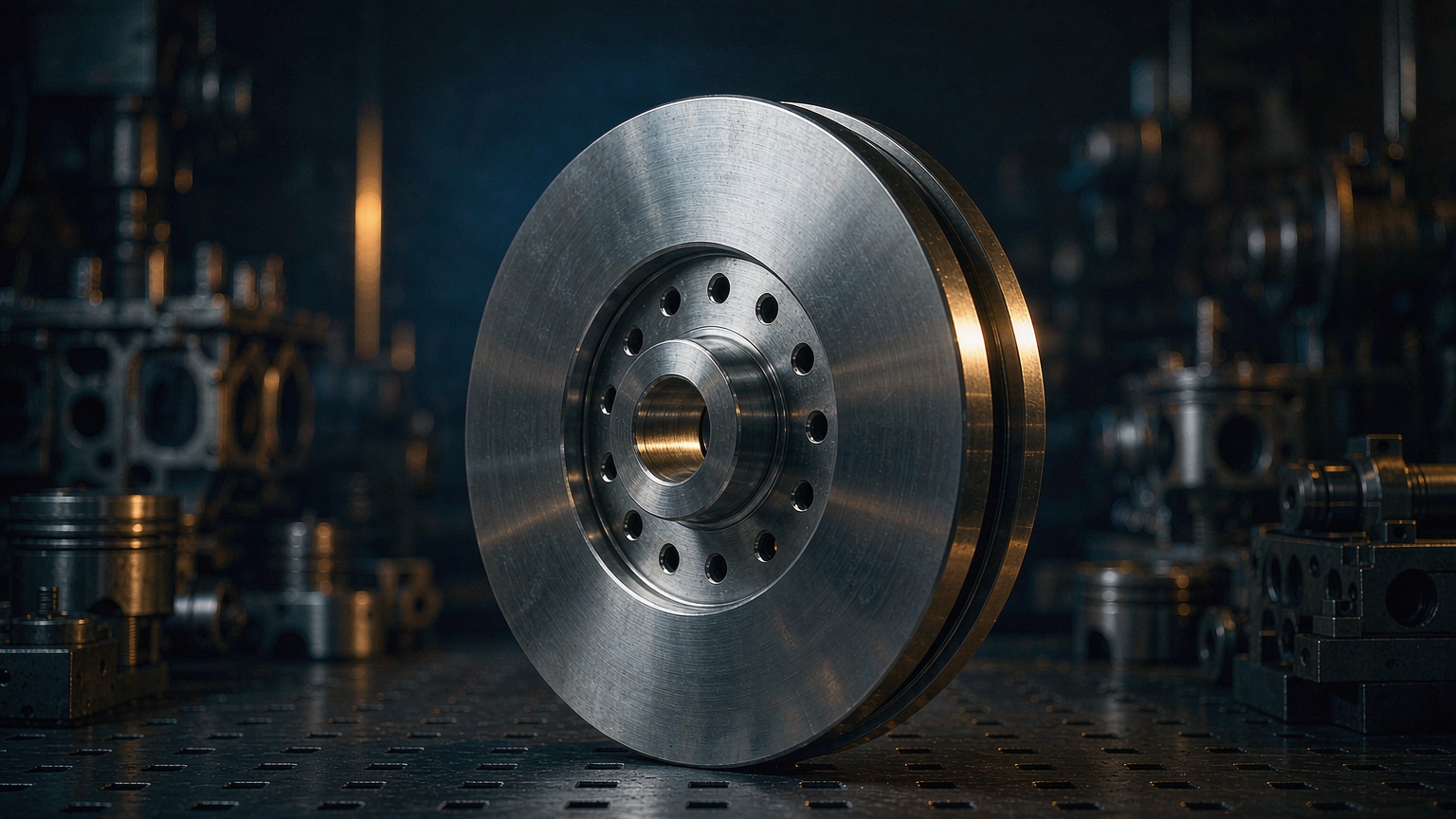
That heavy disc on the front of a crankshaft — the viscous vibration damper — is one of the most overlooked parts on a heavy-duty diesel, and one of the few that must never fail. Inside its sealed steel housing, a free-rotating inertia ring sits in silicone fluid, and the shear resistance of that fluid film is what absorbs the crankshaft's torsional vibration. If the seal fails, the fluid escapes and the damper stops working — and the driver feels nothing until the crankshaft breaks. That is why the most critical step in damper manufacturing is the closure: how the cover plate is locked to the housing, by welding or by crimping.
We compare two real Cummins ISX15 / QSX15 dampers — 4101884 (welded closure) and 3690868 (crimped closure) — and explain what each process means in practice. Then we open the housing, because the closure is not the only difference between them.
Sample Overview
|
Item |
4101884 |
3690868 |
|
Product type |
Viscous damper (silicone fluid) |
Viscous damper (silicone fluid) |
|
Typical application |
Cummins ISX15 / QSX15 (15L) heavy-duty diesel |
Cummins ISX15 / QSX15 (15L) heavy-duty diesel |
|
Closure process |
Welding (seam weld / laser ring weld) |
Crimp / hemming (spun-over closure) |
|
Cross-reference |
3680504 / 4026799 |
— |
1. Welded Closure: Turning Two Steel Parts into One
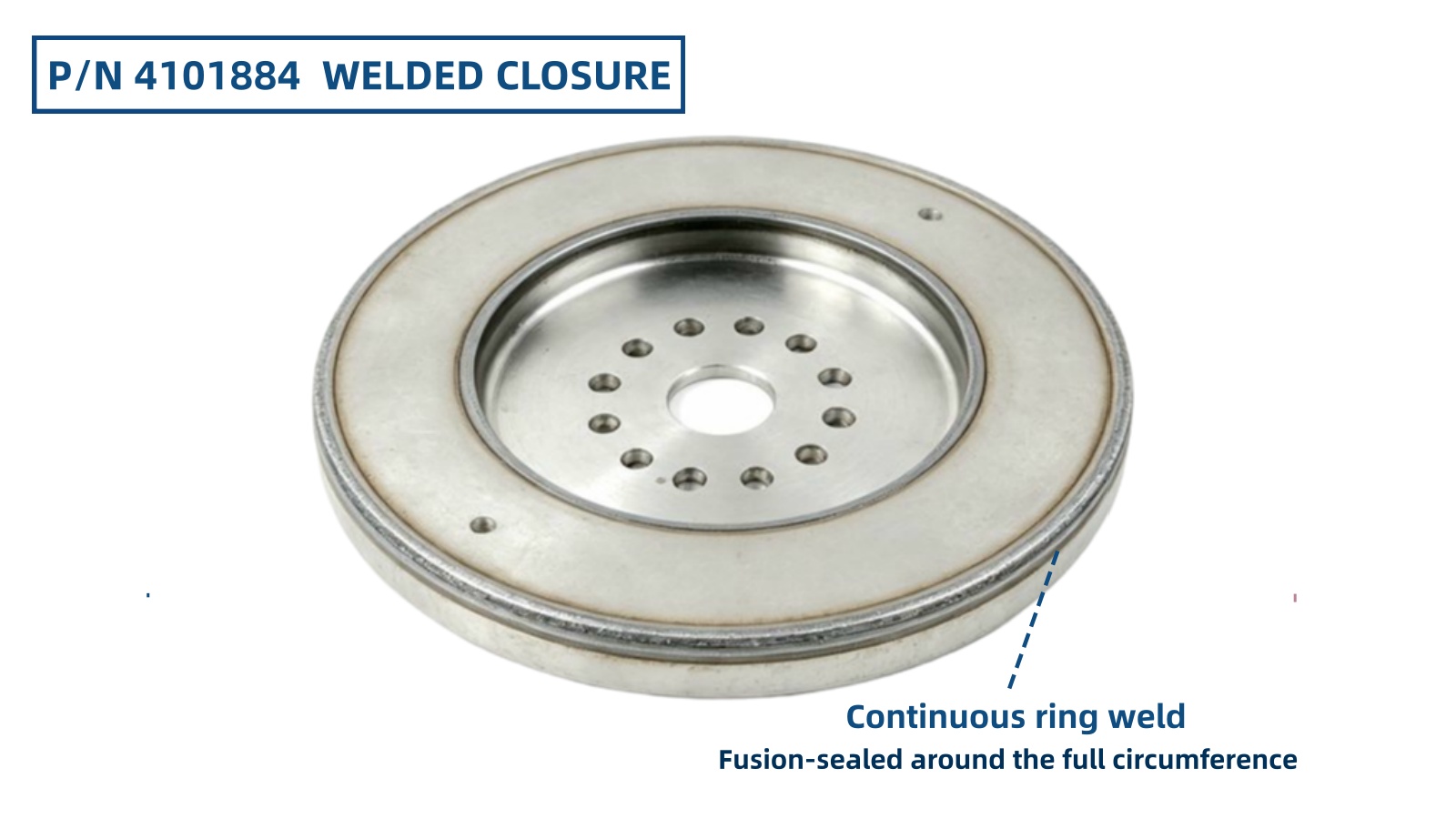
Figure 1 | 4101884 — welded closure: continuous ring weld around the outer edge
A welded closure (seam welding or laser ring welding) fuses the cover plate and the housing into one continuous metallic body. Its strengths and its limits are equally clear:
✔ Advantages of welding
- Strength ceiling: fused weld metal resists pull-out far better — suited to heavy trucks, construction equipment, and high-impact, high-load duty;
- Fusion seal: the fused joint is inherently age-resistant — no risk of the joint loosening or weeping under long-term alternating loads;
- Design freedom: a thicker cover plate can be used, supporting higher internal gas pressure for pressurized designs.
✘ Limitations of welding
- Heat-affected zone: welding heat is unavoidable — thin-wall housings tend to lose roundness and retain residual stress, which affects seal installation;
- Hidden defects: porosity, lack of fusion and micro-cracks sit inside the joint and cannot be seen from outside;
- Higher cost: greater equipment investment; welding heat would damage the fluid and any internal elastomer components, so the sequence is locked to “weld first, fill later.”
2. Crimped Closure: A Cold-Formed Mechanical Grip
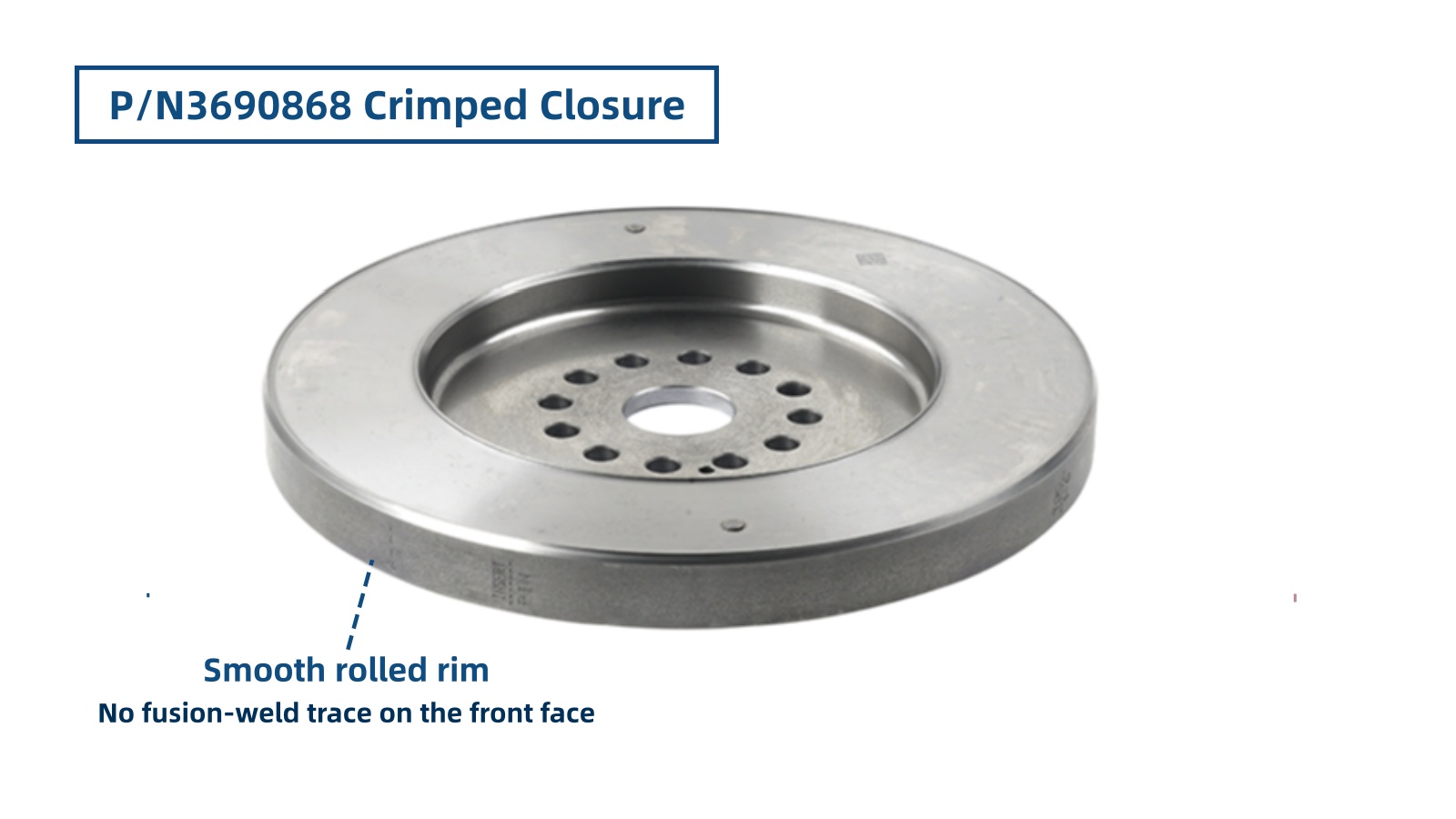
Figure 2 | 3690868 — crimped closure: smooth rolled rim with no weld trace
Crimping (spun-over closure) applies no heat and melts nothing. Rollers plastically bend the housing edge cold, folding it over the cover plate and seal ring much like crimping the lid onto a can. It is the mature, mainstream process at leading passenger-car damper plants. Its strengths and its limits are equally clear:
✔ Advantages of crimping
- Cold working: no thermal distortion or residual stress, so housing roundness is easier to hold and internal seals and elastomer components are never burned;
- Flexible sequence (its strongest card): the fluid fill — and gas charging, where the design calls for it — can be completed before the crimp closes the unit, making fill quality far easier to control;
- High-volume economics: high output rates and low unit cost on well-established equipment.
✘ Limitations of crimping
- Lower strength ceiling: this is a mechanical grip, so under extreme load and sustained high-impact duty the rolled edge may spring back or deform permanently, with loosening and leakage risk after long-term fatigue;
- Sensitive process window: housing wall thickness, material elongation, die pressure and crimp profile — miss any one and fatigue life drops noticeably;
- Die condition dependent: die wear translates directly into product inconsistency.
3. Inside the Housing: Two Ways to Keep the Inertia Ring Centered
Open the housing and you find a second difference. The inertia ring inside has one hard requirement: it must stay centered and must never touch the housing — contact squeezes out the silicone film and the damper stops working. Both units meet that requirement; they simply hold the ring in different ways.
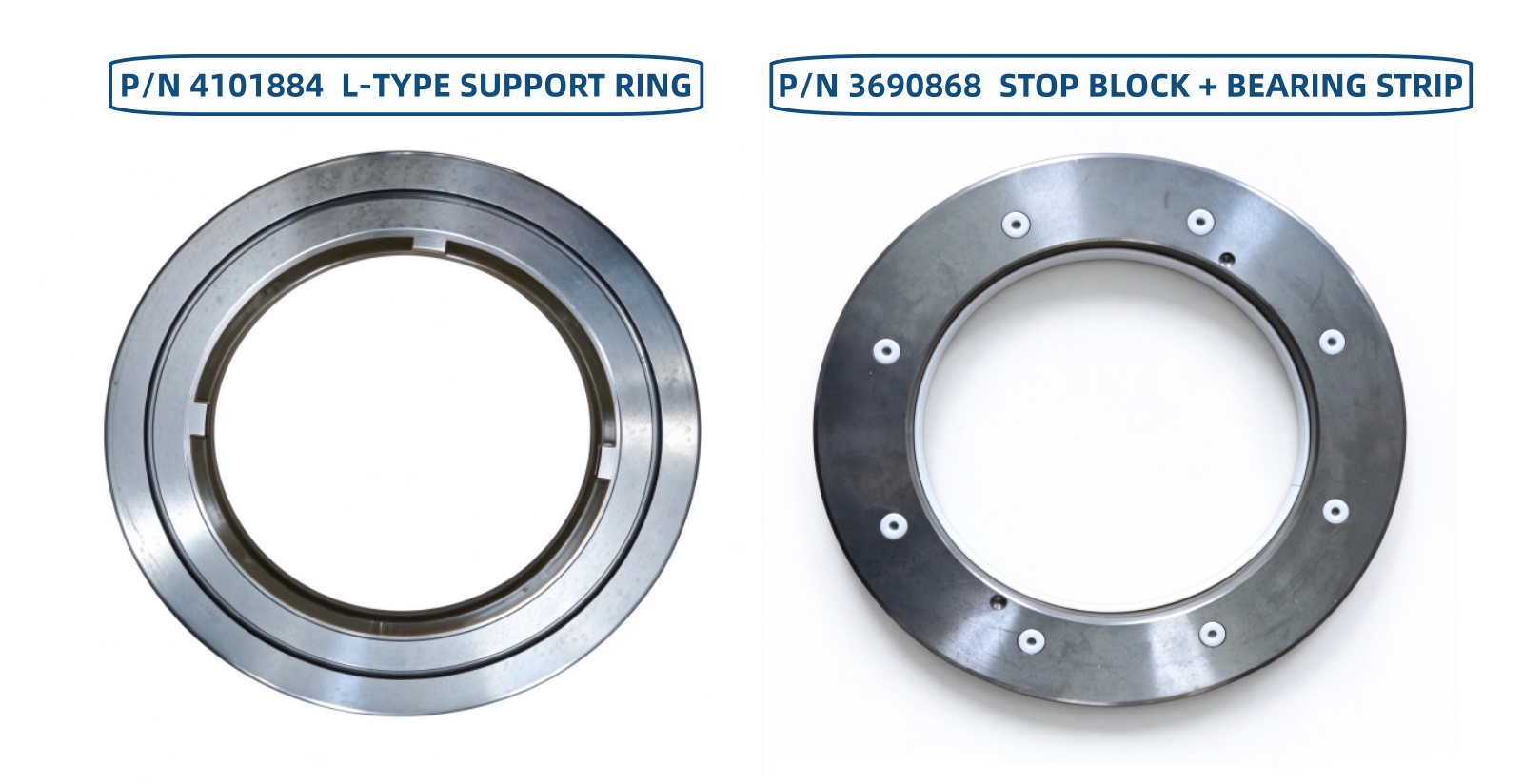
Figure 3 | Inertia rings compared
4101884 — L-type support ring
A one-piece gray cast iron ring seated on a machined ledge, supported continuously around its full circumference. Concentricity is set by one machined geometry, so every unit is consistent.
3690868 — stop block + bearing strip
The ring is positioned by discrete stop blocks and rides on low-friction bearing strips in the slots — the white strips in Figure 3. The parts are simple to make; accuracy moves from machining into assembly.
|
Item |
4101884 |
3690868 |
|
Ring structure |
L-type support ring (one-piece) |
Stop block + bearing strip |
|
Ring material |
Gray cast iron |
Gray cast iron |
|
Ring weight |
9.439 kg |
9.448 kg |
The difference is how the ring is held, not what it does. Both rings are gray cast iron and their masses differ by only 9 grams out of roughly 9.44 kg — about 0.1%. Same material, same mass, same damping performance and service life.
What does differ is cost, and that depends on order quantity. The L-type ring puts all its accuracy into one precision-machined part, so every unit carries that machining cost. The stop block design spreads the work over several simple parts and shifts the effort to assembly. In high volume the machined route is more economical; in small batches there is not enough quantity to absorb the machining investment, so the stop block + bearing strip structure costs less.
Note: for small-batch orders, the stop block + bearing strip structure is the more economical choice — the configuration we recommend for 3690868-type dampers.
4. One Table to Choose By
|
Criterion |
Welding (seam / laser ring) |
Crimp / hemming |
|
Joint strength ceiling |
High — fused into one body |
Moderate — mechanical plastic grip |
|
Sealing mechanism |
Fusion seal; resists alternating loads |
Rolled edge compresses seal ring; relies on retained spring force |
|
Heat effects |
Yes: roundness loss, residual stress, internals must be protected |
None: cold forming, good roundness, rubber parts unaffected |
|
Process sequence |
Weld first, then fill (sequence locked) |
Fill and charge nitrogen, then crimp (flexible) |
|
Cost / efficiency |
High equipment investment, higher unit cost |
High efficiency, low unit cost in volume |
|
Typical use case |
Construction equipment, heavy trucks, high-impact, high internal pressure |
Passenger cars, light duty, cost and stable mass production |
DLC-Coated Piston Rings: Lower Friction, Longer Engine Life


